
Some rooms just feel right the moment you walk in, even if you can’t quite explain why. That mix of comfort and order, warmth and intention, is exactly what designmode24 interior design is built around. It isn’t about chasing whatever color trend is popular this year or filling a room with a matching furniture set from a catalog. It’s a way of thinking about space that puts real life first and decoration second.
If you’ve ever redone a room and felt a little let down a few months later, you already understand why this matters. A space can photograph beautifully and still feel wrong to actually live in. Designmode24 interior design tries to close that gap between how a room looks in a picture and how it functions for the people using it every single day.
Over the next several sections, we’ll walk through what this design approach really means, how it plays out in different rooms of a home, and how business owners have started borrowing the same ideas for offices, shops, restaurants, and other commercial spaces.
None of this requires a designer’s budget or a background in architecture. Most of it comes down to slowing down, paying attention to how a room is actually used, and making a handful of deliberate choices instead of a hundred small, impulsive ones. That’s really the whole idea in a nutshell, and it’s worth unpacking piece by piece.
What Is DesignMode24 Interior Design?
At its simplest, designmode24 interior design is a modern approach to planning and decorating interiors that treats comfort, function, and personal style as equally important. Rather than a single fixed look, such as farmhouse, industrial, or coastal, it behaves more like a mindset that can be applied to almost any home or commercial space, regardless of size or budget.
Ferguson Plumbing
Shop Ferguson Plumbing for reliable plumbing supplies, fixtures, tools, pipes and professional solutions for residential and commercial projects.
FFerguson
Find FFerguson plumbing supplies, fixtures, tools and building products for professional contractors, businesses and home improvement projects.
Feazel Roofing
Choose Feazel Roofing for professional roof repair, replacement and inspection services designed to protect and enhance your property.
Plumbers Putty
Discover high-quality plumbers putty for creating watertight seals around sinks, drains, faucets and other plumbing fixtures.
The idea isn’t entirely new in spirit. Skilled designers have always balanced beauty with usability. What sets this approach apart is how deliberately it puts that balance front and center in every decision. From a paint color to where a reading chair ends up, each choice gets measured against a simple question: does this make the space better to actually live or work in?
This matters more now than it used to. Homes have gotten smaller in many cities, work has spilled into living rooms and spare bedrooms, and people are holding onto furniture longer instead of replacing it every couple of years. A philosophy that values flexibility, comfort, and longevity fits naturally into that reality, which is part of why interest in it keeps growing.
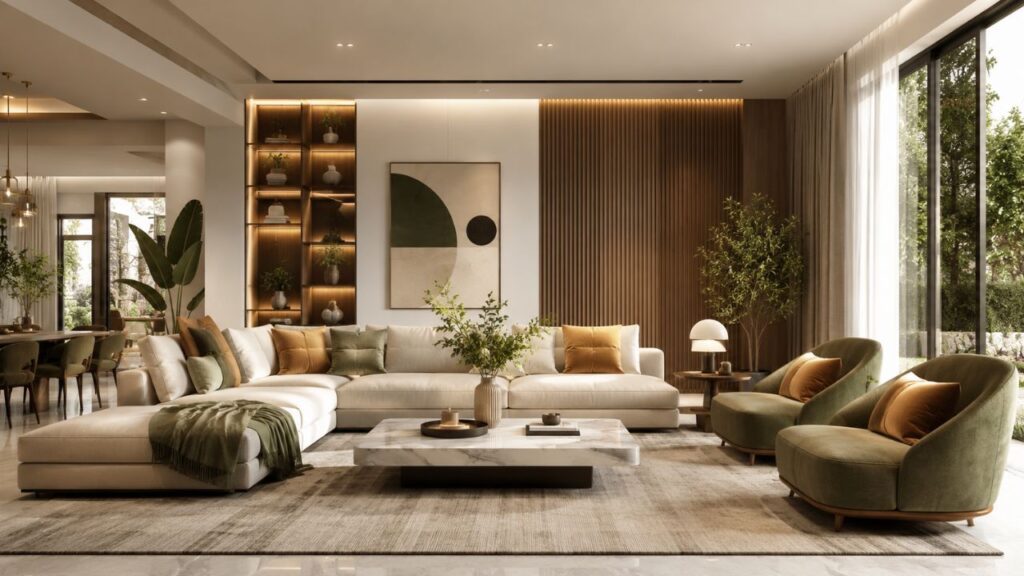
The Core Philosophy Behind DesignMode24 Interior Design
Three ideas tend to show up again and again whenever this approach is discussed: simplicity, sustainability, and smart use of space. None of them are flashy on their own, but together they shape almost every recommendation that comes out of this design school of thought. It helps to think of them less as strict rules and more as a set of filters you can run any decision through, whether you’re picking a sofa or deciding where to hang a mirror.
Simplicity Without Sacrificing Personality
Simplicity here doesn’t mean bare walls and empty shelves. It means removing the things that don’t earn their place in a room so the pieces that matter can actually be noticed. A single well-chosen piece of art on an otherwise calm wall tends to have more impact than five smaller prints competing for attention. The goal is a room that feels edited, not empty.
Function First, Decoration Second
Every room has a job to do. A kitchen needs to handle spills, heat, and traffic. A home office needs to support hours of focused work without straining your eyes or your back. Decoration is layered on top of that foundation, not used to paper over a layout that doesn’t actually work. This is one of the clearest markers of the approach: form follows function, and only after function is solved does the styling begin.
Designing for the Long Term
Trends move fast, but a well-planned room shouldn’t need a full overhaul every couple of years. Neutral bases, durable materials, and classic proportions age gracefully, while trend-driven accents like cushions, art, or a lamp can be swapped out cheaply whenever you want a refresh. That combination keeps a home feeling current without constant spending.
Why More People Are Turning to DesignMode24 Interior Design
A few years ago, most people planned a room around whatever a decorating magazine or showroom suggested that season. Today, a lot of that inspiration comes from scrolling through design platforms and social feeds, and tastes have shifted along with it. Homeowners increasingly want ideas that are realistic for the size of home they actually have, not just the sprawling spaces featured in glossy spreads.
Urbanization is a big part of this shift. As more people move into apartments and smaller houses, storage, flexibility, and multi-use furniture stop being nice extras and start being necessities. At the same time, hybrid work has pushed a lot of households to carve out a functional workspace somewhere in the home, often in a spot that was never designed for it, like a corner of a bedroom or a section of the dining room.
Energy costs and environmental awareness play a role too. Efficient lighting and durable materials aren’t just an aesthetic choice anymore; they affect a household’s monthly bills and long-term spending. Design decisions that used to be purely about looks now carry a practical weight that homeowners are far more conscious of than they were a decade ago, and that’s a big part of why this more grounded, function-first approach has picked up so much traction.
Key Elements That Define DesignMode24 Interior Design
A handful of practical elements show up consistently across projects that follow this style. Understanding them makes it much easier to apply the same thinking in your own home.
Color Palettes and Mood
Soft greys, warm beige, muted greens, and dusty blues dominate the palette for a reason: they pair easily with natural materials and metallic accents, and they don’t fight with each other the way bolder colors sometimes do. Color is treated as a tool for setting mood rather than just decoration. A bedroom might lean toward calming, low-saturation tones, while a kitchen can handle a bit more contrast since it’s a higher-energy space.
Lighting Layers
Lighting is often the most overlooked part of a room, yet it changes how a space feels more than almost anything else. This approach typically layers three types of light: ambient light for overall illumination, task light for reading or cooking, and accent light to highlight art or architecture. A room lit only by one overhead fixture rarely feels finished, no matter how nice the furniture is.
Furniture and Materials
Wood, metal, linen, and glass are combined intentionally to add depth without visual clutter. Furniture is chosen for comfort and practicality first, with style as a close second. Multipurpose pieces, like a storage ottoman or a sofa bed, are common because they let a single item do the work of two, which matters a lot in smaller homes. Even a coffee table can be chosen with hidden storage underneath, or a dining bench can double as extra seating when guests come over, quietly solving two problems with one purchase.
Smart Storage for Small Spaces
With more people living in compact apartments, storage has become one of the most requested parts of any project. Built-in wardrobes, modular shelving, floating shelves, and hidden compartments all show up frequently, letting a room stay organized without looking cramped or over-decorated. Vertical storage in particular gets a lot of attention, since it takes advantage of wall space that would otherwise sit empty, freeing up the floor for movement and making even a modest room feel more open than its square footage would suggest.
Applying DesignMode24 Interior Design Room by Room
The same philosophy plays out a little differently depending on which room you’re working with, since every space in a home serves a different purpose.
Living Rooms
The living room is usually the social hub of a home, so open layouts and comfortable, conversation-friendly seating arrangements take priority. Neutral walls paired with textured cushions or a patterned rug bring in warmth without overwhelming the space, and one or two statement pieces, like a lighting fixture or an accent chair, give the room a focal point.
Bedrooms
Bedrooms are built around calm. Soft bedding, low, warm lighting, and clutter-free surfaces are the norm. Natural materials such as a wooden headboard or linen curtains add texture without adding visual noise, which helps the room feel restful rather than busy.
Kitchens
In the kitchen, functionality comes first. Clean cabinetry, concealed storage, and durable, easy-to-clean countertops are standard, with open shelving used sparingly to display a few curated items rather than every dish in the cupboard. Task lighting over counters and the stove is treated as essential rather than optional.
Bathrooms
Bathrooms lean toward a spa-like feel: minimal accessories, large mirrors to bounce light around a small footprint, and neutral tile that won’t feel dated in a few years. Good ventilation and durable, moisture-resistant materials matter just as much as the visual side of things.
Home Offices
As more people work from home at least part of the week, home offices have become a bigger focus. Good posture support, reduced visual distraction, and enough storage to keep paperwork out of sight all take priority, with personal touches like plants or artwork added once the basics of comfort are handled.
DesignMode24 Interior Design for Commercial and Business Spaces
The same core ideas translate surprisingly well outside the home. Offices, retail stores, restaurants, and reception areas all benefit from a layout that reflects a brand’s identity while still improving how employees and customers actually move through the space.
A boutique retail store, for example, might use branded colors and visual merchandising to guide customers naturally toward key products, while a tech office might favor open floor plans, acoustic materials, and flexible furniture that can be rearranged for different types of meetings. Restaurants often lean on atmosphere-driven design choices, using lighting and material selection to support the mood their menu and brand are going for. In every case, the underlying question stays the same as it does at home: does this space work well for the people in it, and does it reflect who they are?
Model homes, leasing offices, and building lobbies are another area where this approach gets used often, since first impressions in those spaces directly affect whether someone decides to sign a lease or make a purchase.
Business owners tend to notice the difference fairly quickly once they make the switch. Employees who work in a well-lit, well-organized office report fewer complaints about comfort, and customers tend to linger longer in retail spaces that feel intentional rather than cluttered with fixtures. None of that requires an enormous budget; it usually comes down to planning the layout properly before spending money on finishes, which is exactly where this design thinking tends to add the most value.
How to Start Your Own DesignMode24 Interior Design Project
You don’t need a big budget or a professional standing next to you to get started. What you need is a clear sense of what isn’t working in a room right now and some patience to work through it in stages.
Step 1: Observe Before You Buy
Spend a few days simply noticing how you use a room before changing anything. Where does clutter tend to pile up? Which corner never gets natural light? Which piece of furniture do you avoid sitting in? These small observations usually point straight to the real problem, which is often not what you assumed it was.
Step 2: Build a Simple Mood Board
Collect a handful of images, colors, and textures that consistently appeal to you, whether from magazines, apps, or photos you’ve taken yourself. The goal isn’t to copy a single picture exactly but to find the common thread running through everything you’re drawn to. Most people are surprised to notice a pattern once they line a dozen images up side by side, whether that’s a preference for warm wood tones, a certain kind of natural light, or rooms that feel sparsely furnished rather than full.
Step 3: Layer, Don’t Clutter
Start with the big pieces, like furniture and rugs, then add lighting, then finish with smaller accents such as cushions, art, and plants. Adding everything at once tends to create clutter, while layering gradually makes it easier to tell when a room has reached the point of feeling finished rather than overdone.
Common Mistakes to Avoid
A few missteps come up again and again, even among people who are genuinely trying to follow this approach.
Buying furniture that’s the wrong scale for a room is one of the most common issues, since an oversized sofa can make even a large living room feel cramped. Chasing a trendy color that clashes with everything else already in the home is another frequent trap, along with filling a room with decorative items until it starts to feel cluttered rather than curated. Skipping the lighting plan is a subtler mistake that’s easy to overlook, since a room with beautiful furniture and only one harsh overhead light will still feel flat and uninviting. Rushing the process is another common trap: buying every piece of furniture in a single weekend rarely leaves room to notice that a rug clashes with a sofa or that a lamp is too small for the side table it sits on. Slowing down and living with a room for a little while before finishing it usually produces a far better result than trying to complete everything at once.
Frequently Asked Questions
What is designmode24 interior design?
It’s a modern design philosophy that balances comfort, function, and personal style rather than following one fixed decorating trend. It focuses on how a space actually works for the people using it, not just how it photographs.
Is this approach only for home interiors?
No. While it started as a way of thinking about homes, the same principles are used in offices, retail stores, restaurants, and other commercial spaces where brand identity and customer experience matter as much as aesthetics.
Do I need to hire a professional to apply these ideas?
Not necessarily. Many of the core principles, like decluttering, layering lighting, and choosing a neutral base palette, can be applied gradually on your own. A professional becomes more useful for larger renovations or when you want a fully cohesive plan across multiple rooms at once.
What colors are typically used in this style?
Neutral, natural tones dominate: soft greys, beige, muted greens, and dusty blues. These shades pair easily with wood, metal, and other natural materials, which is part of why they show up so consistently.
How important is lighting compared to furniture?
Very important, and often underestimated. A well-furnished room with poor lighting will still feel unfinished, while good lighting layered across ambient, task, and accent sources can make even simple furniture look intentional and polished.
Can this approach work in a small apartment?
Yes, and in many ways it’s especially well suited to small spaces. Multipurpose furniture, smart storage, and a restrained color palette all help a compact room feel larger and calmer than it would with a more maximalist approach.
Is sustainability really part of this philosophy?
It is. Choosing durable, well-made pieces over disposable trend items reduces waste over time, and many projects following this approach also favor energy-efficient lighting and materials that hold up for years rather than months.
How long does it typically take to redesign a room this way?
There’s no fixed timeline, since it depends on the scope of the project and your budget. Because the approach favors gradual layering over buying everything at once, many people spread a single room’s transformation across several weeks or months without it feeling rushed.
What’s the easiest room to start with if I’m new to this approach?
Most people find the living room or bedroom easiest, since the changes are visible right away and the rooms don’t involve plumbing or major structural work. Starting somewhere low-stakes also makes it easier to learn what colors, textures, and layouts you actually like before tackling a bigger project like a kitchen.
Does this style work with furniture I already own?
In most cases, yes. Since the approach is more of a mindset than a strict look, it’s usually possible to keep pieces you already like and simply rearrange the layout, add a few new textures, and improve the lighting rather than replacing everything from scratch.
Conclusion
Good interior design has never really been about following a rulebook. It’s about paying attention to how you actually live, then shaping a space around that instead of the other way around. Designmode24 interior design puts that idea into practice by keeping comfort, function, and personal style working together instead of competing with each other. Whether you’re refreshing a single bedroom, planning an entire home, or rethinking a commercial space, the same simple question can guide almost every decision: does this make the space genuinely better for the people who spend their time in it? Start with that question, work through your rooms one at a time, and the rest of the process tends to fall into place.